Medical disclaimer: This page is general health information for education only. It is not medical advice and is not a substitute for diagnosis or treatment by a qualified health professional. It has not been reviewed by a clinician. In an emergency, call 911 or your local emergency number.
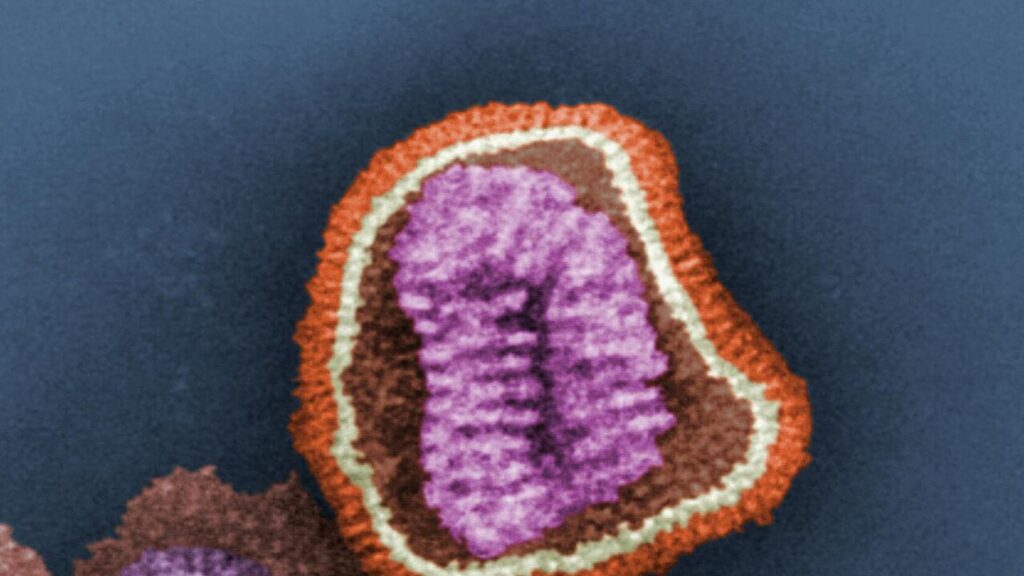
A cold and the flu are both contagious respiratory illnesses, but different viruses cause them. The flu is usually worse and starts more suddenly. This page explains how the two typically differ, who faces higher risk from the flu, which warning signs need care right away, and how to lower your risk. It is part of our library of health conditions explained in plain language.
Cold vs flu: the short answer
Flu is usually worse than a cold, with more intense symptoms that begin more abruptly, according to the CDC.
Colds are usually milder. People with colds are more likely to have a runny or stuffy nose than people with the flu. Colds generally do not lead to serious problems such as pneumonia, bacterial infections, or hospital stays. The flu can lead to serious complications.
The two illnesses share many symptoms. The CDC notes that it can be hard to tell them apart based on symptoms alone. Special tests can tell whether a person has the flu. This section describes typical patterns only. It cannot tell you which illness you have.
If you are trying to tell a cold from a sinus infection, see sinus infection vs. cold.
What causes a cold and what causes the flu
Influenza viruses cause the flu. A cold can come from many different respiratory viruses.
- Flu is caused by influenza viruses only.
- More than 200 respiratory viruses can cause colds.
- Rhinoviruses are the most frequent cause of colds in the United States.
- Other cold viruses include parainfluenza and seasonal coronaviruses.
- Influenza viruses infect the nose, throat, and sometimes the lungs.
The CDC describes these causes on its common cold overview and its influenza overview. Adults in the United States have an average of two to three colds each year. Children often have more.
Because both illnesses are viral, they are handled by your immune system and how it fights infection, not by antibiotics. This list covers the usual causes only. It does not cover COVID-19, RSV, allergies, or bacterial infections such as strep throat, which can cause similar symptoms.
How cold and flu symptoms differ
Cold symptoms usually come on gradually. Flu symptoms usually come on suddenly, often with fever, aches, and tiredness.
The table below uses the wording of a CDC comparison graphic, Is it a cold or flu?
| Sign or symptom | Cold | Flu |
|---|---|---|
| Onset | Gradual | Abrupt |
| Fever | Rare | Usual |
| Aches | Slight | Usual |
| Chills | Uncommon | Fairly common |
| Fatigue and weakness | Sometimes | Usual |
| Sneezing | Common | Sometimes |
| Chest discomfort | Mild to moderate | Common |
| Stuffy nose | Common | Sometimes |
| Sore throat | Common | Sometimes |
| Headache | Rare | Common |
Cold symptoms usually peak within 2 to 3 days of infection. Colds usually last less than a week. Not everyone with flu will have a fever. Some people with flu have vomiting and diarrhea, which is more common in children than adults, according to the CDC page on flu signs and symptoms.
These are typical patterns, not rules. Your own illness may not match either column.
Who is at higher risk of flu complications
Adults 65 and older, children younger than 2, pregnant women, and people with certain chronic conditions face higher flu risk.
The CDC lists these groups as people at increased risk for flu complications:
- Adults 65 years and older
- Children younger than 2 years old
- Pregnant women, including up to 2 weeks after the end of pregnancy
- People who live in nursing homes and other long-term care facilities
- People with asthma or chronic lung disease such as COPD
- People with heart disease, kidney disorders, liver disorders, or blood disorders such as sickle cell disease
- People with endocrine disorders such as diabetes, or metabolic disorders
- People with neurologic and neurodevelopment conditions, or who have had a stroke
- People with a weakened immune system due to disease or medicines
- People with a body mass index (BMI) of 40 or higher
- People younger than 19 on long-term aspirin or salicylate medicine
- People with certain disabilities
The CDC also notes higher risk in some racial and ethnic minority groups. Flu can lead to pneumonia, ear and sinus infections, and worsening of heart failure, asthma, or diabetes. This list is about the flu. The CDC says colds generally do not cause serious health problems.
Emergency warning signs: when to get care right away
Trouble breathing, chest pain or pressure, confusion, and seizures are flu warning signs that need medical care right away.
The CDC lists these emergency warning signs of flu complications.
In adults
- Difficulty breathing or shortness of breath
- Persistent pain or pressure in the chest or abdomen
- Persistent dizziness, confusion, or inability to arouse
- Seizures
- Not urinating
- Severe muscle pain
- Severe weakness or unsteadiness
- Fever or cough that improve but then return or worsen
- Worsening of chronic medical conditions
In children
- Fast breathing or trouble breathing
- Bluish lips or face
- Ribs pulling in with each breath
- Chest pain or severe muscle pain
- Dehydration
- Not alert or interacting when awake
- Seizures
- Fever above 104°F not controlled by medicine
- Any fever in children younger than 12 weeks
- Fever or cough that improve but then return or worsen
- Worsening of chronic medical conditions
If a condition seems life threatening, call 911 or your local emergency number. MedlinePlus lists breathing problems and chest pain among signs of a medical emergency. For a cold, the CDC advises medical care for trouble breathing, dehydration, fever lasting longer than 4 days, or symptoms lasting more than 10 days without improvement. These lists do not include every possible emergency. If you are unsure, get care.
How colds and flu are treated
Most people with flu have mild illness and do not need medical care or antiviral drugs, according to the CDC.
Flu antiviral drugs exist. They are prescription medicines that fight flu in your respiratory tract. They are not sold over the counter. The CDC says they work best when started within two days after flu symptoms begin, and it recommends early treatment for people at higher risk. See the CDC guide to flu treatment. Only a clinician can decide whether an antiviral is right for you. This page does not give dosing or treatment advice.
There is no antiviral for the common cold. OTC cough and cold medicines are not recommended for children younger than 6, per the CDC page on cold treatment.
How to lower your risk of colds and the flu
A yearly flu vaccine is the best way to reduce your risk of flu. Everyday habits help protect against both illnesses.
The CDC says everyone 6 months and older, with rare exception, should get a flu vaccine every season. September and October are generally good times to be vaccinated. A flu vaccine cannot cause flu, according to the CDC key facts about seasonal flu vaccine. Flu shots are made with killed viruses or with proteins from a flu virus. The nasal spray uses weakened viruses that also cannot cause flu illness.
Everyday actions from the CDC guide to preventing flu include:
- Avoid close contact with people who are sick.
- Wash your hands often with soap and water.
- Use an alcohol-based hand sanitizer if soap and water are not available.
- Avoid touching your eyes, nose, and mouth.
- Cover coughs and sneezes with a tissue or your elbow.
- Stay home when you are sick.
The CDC says you can return to normal activities when, for at least 24 hours, your symptoms are getting better overall and you have had no fever without fever-reducing medicine. The flu vaccine does not protect against colds. Some vaccines are not recommended for certain groups, so ask which one fits your age and health history.
Questions to bring to your appointment
A short list of questions can help you get more from a visit. Our guide on how to prepare for a medical appointment has more tips. These questions do not replace a clinician’s exam.
- Do my symptoms look more like a cold, the flu, or something else?
- Should I be tested for flu or other respiratory viruses?
- Am I in a group at higher risk for flu complications?
- Would a flu antiviral help me, and how soon would I need to start it?
- Which warning signs mean I should come back or call 911?
- Which flu vaccine is right for me, and when should I get it?
Sources & further reading
Sources consulted September 2026. This is a drafting date, not a medical review date.
- CDC: Cold Versus Flu ↗
- CDC: Is it a cold or flu? ↗
- CDC: About Common Cold ↗
- CDC: Signs and Symptoms of Flu ↗
- CDC: People at Increased Risk for Flu Complications ↗
- CDC: Flu Treatment ↗
- CDC: Healthy Habits: Antibiotic Do’s and Don’ts ↗
- CDC: Key Facts About Seasonal Flu Vaccine ↗
- CDC: Healthy Habits to Prevent Flu ↗
- MedlinePlus (NLM): Recognizing medical emergencies ↗