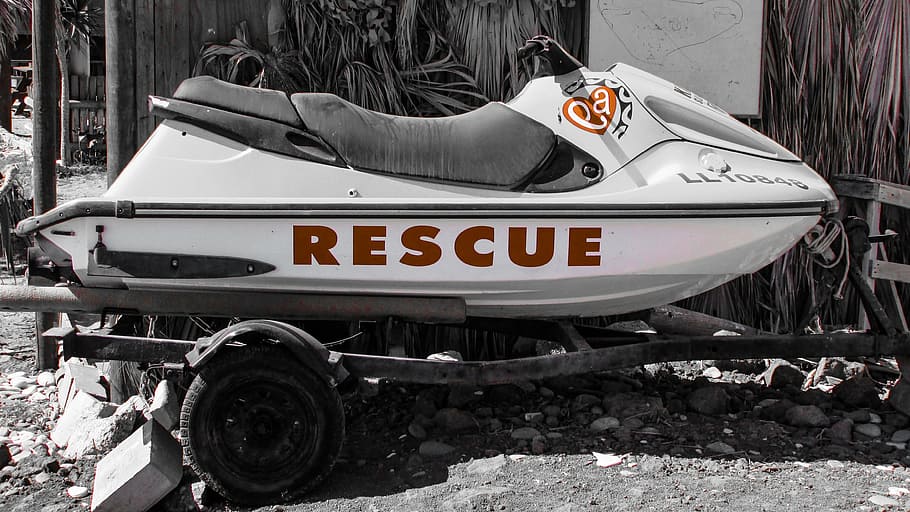
Image by pxfuel
Health and Safety Guidelines for Jet Skiing Enthusiasts
Introduction to Jet Skiing
Jet skiing is an exhilarating water sport that has taken the world by storm. Thousands of enthusiasts every year experience the pure adrenaline rush and unbridled joy of skimming across the waves at high speed.
Thrills and Excitement
From beachside vacations to weekend getaways, jet skiing adds a level of excitement that few other activities can match. Yet, with such thrill, comes the critical responsibility of ensuring personal safety.
Importance of Safety Precautions
Understanding the potential risks and taking appropriate precautions can mean the difference between a memorable adventure and a tragic accident.
Understanding the Physical Demands of Jet Skiing
Physical Strength Requirements
Controlling a jet ski requires both physical strength and coordination. Keeping balance, steering, and handling the throttle are demanding tasks that work various muscle groups.
Potential Risks and Strains
Without proper care, riders might experience muscle strains and overexertion.
Tips for Physical Preparation
Regular exercises, stretches, and warm-ups can mitigate these risks. Activities such as swimming, weightlifting, and cardio routines can help prepare the body for the demands of jet skiing.
Safety Equipment and Gear
Importance of Safety Equipment
Wearing appropriate safety equipment, including life jackets, helmets, and goggles, is not just a recommendation but a necessity.
Choosing and Maintaining Gear
Investing in high-quality gear and maintaining it properly ensures a higher level of safety. It’s also crucial to ensure that all equipment fits well and is comfortable to wear.
Water Safety and Navigation Rules
Rules of Navigation
Adhering to the basic rules of water navigation and local regulations is paramount. This includes keeping safe distances, following speed limits, and understanding right-of-way rules.
Awareness of Other Watercraft
Being constantly aware of other boats, swimmers, and potential obstacles helps prevent collisions.
Weather and Wave Conditions
Understanding weather patterns and wave conditions is essential for safe jet skiing. Avoid going out in stormy or unpredictable weather.
First Aid and Emergency Preparedness
What to Do in Case of an Injury
In the unfortunate event of an accident or injury, knowing what to do is crucial. This includes administering basic first aid and calling emergency services if necessary.
First Aid Kit Guidance
Keeping a first aid kit on hand and knowing how to use it is wise. Including items like bandages, antiseptics, and pain relievers can be lifesaving.
Importance of Emergency Contacts
Having emergency contacts readily available can expedite assistance if needed.
Responsible Riding and Environmental Consideration
Need for Responsible Riding
Jet skiing responsibly protects not only the rider but others around them.
Environmental Considerations
Respecting marine life and minimizing pollution ensures that the environment remains unharmed for future generations to enjoy.
Summary
Staying safe on the waves involves understanding the physical demands, wearing proper safety gear, following water rules, and being prepared for emergencies.
Encouragement to Ride Responsibly
Remember, the best experiences come when we take responsibility for our actions and our environment. Enjoy jet skiing responsibly and always prioritize safety. For more detailed guidelines, check out the Ultimate Water Safety Handbook. Happy riding!