Author: admin

  • Healthy Eating

    Healthy Eating

    It’s only been a couple of years ago that the US Department of Agriculture upgraded its food pyramid, considered by the federal government and many other people in the food and nutrition industries to be the definitive answer to the question of healthy eating.  But a recent revision to the pyramid reflects newer concepts of optimum nutrition for everyone.

    With the understanding that healthy eating means different things to different people, there is no single, one, revised food pyramid.  Instead, there are pyramids developed for different people, at different stages of their lives, who enjoy different lifestyles, and have different nutritional needs to fuel those different lives.

    With a series of interactive online tools, men aged two to the twilight years can customize a plan for healthy eating, including a pyramid of their own.  By supplying data such as age, level of physical activity, and the presence of certain chronic medical conditions, each man can build a pyramid that meets his very own unique needs much more appropriately than the one-size-fits-all pyramid that mostly confused us in the past.

    The basics of a diet focused on healthy eating are the same, no matter the individual characteristics mentioned above.  An abundance of fresh fruits and vegetables, including nuts and seeds, supplemented by an ample amount of lean meats and dairy products and whole-grain carbohydrates should be the foundation to every man’s healthy diet.  Sugars, processed and refined foods, fats, and alcohol should be enjoyed in controlled moderation for optimum health at the dinner table.

    A food pyramid customized to meet individual needs for healthy eating will include these basic food groups but, based on the personal data supplied, will also include the number of servings recommended each day from each food group.  And one truly welcomed upgrade to the new, personalized pyramid system is that the portion sizes are defined, so there is no longer opportunity for divergent descriptions or “fudging” on the serving sizes eaten.

    In a steadily growing number of American households, the king of the castle is also the head chef.  Meal planning is made easy when a personalized food pyramid has been charted for each member of the household.  Simply add up the entire family’s allotment of portions for the different food groups, then plan and prepare meals with these quantities in mind.

    {literal}

    {/literal}
  • Lower Cholesterol

    Lower Cholesterol

    Everyone knows these days that an elevated cholesterol count spells trouble for the arteries and the heart.  And everyone seems to know someone taking a class of drugs called statins that are prescribed to lower cholesterol levels, which reduces the risk of heart attack and stroke.

    Many people also know about age-related macular degeneration (AMD), a disease that begins by blocking a person’s field of vision at the very center of the view and then progressing outward, until all vision is lost.  The blockage of vision is caused by a build-up of macula, which destroys the eye’s cones and receptors, making sight impossible.  In one advanced form of AMD, blood vessels in the eye grow abnormally and often leak or bleed.  AMD is the leading cause of blindness in Americans over the age of 50.  More than 10 million Americans are thought to have some form of AMD.

    In April 2008, a team of scientists analyzing data collected in the Age-Related Eye Disease Study found that statins, which lower cholesterol by increasing blood flow, have a detrimental effect on the progression of AMD.  The increased blood flow affects the arteries and veins in the eyes, where too much blood flow is already destroying the AMD patient’s vision.

    Unfortunately, statins and AMD have a lot in common, including patients who have need of lower cholesterol counts.  Some risk factors associated with high levels of cholesterol in both the bloodstream and AMD are:

    • The aging process.
    • Family history.
    • High blood pressure.
    • Being overweight or obese.
    • Consumption of a high-fat diet.

    If AMD runs in your family, don’t wait until being diagnosed with it or with high cholesterol levels.  Although it’s impossible to reverse the risk in all the factors listed above, some of them are a direct reflection on lifestyle choices.  Waiting till the vision starts to go blank before finding statin-free methods to lower cholesterol may be too late.

    It’s never too late, however, to use a healthy lifestyle to lower cholesterol counts and improve arterial health and maybe visual health, too.

    {literal}

    {/literal}
  • Heart Attack Symptoms

    Heart Attack Symptoms

    Get Back Your Health
    QUIT SMOKING TODAY!

    Ask someone what’re the most common heart attack symptoms and they’re likely to clutch at their chests with one hand, wave the other wildly in the air, all the while clinching their eyes and struggling to remain standing.  We learned these dramatic symptoms by watching the theatrics of actors on the stage and screen, acting out a heart attack with practice and perfection.

    But when it comes to a heart attack, no one wants enough practice to make perfect, whatever that’s supposed to be.  In real life, heart attack symptoms may not be as dramatic as those we see for the purpose of entertainment but they’re pretty dramatic, nonetheless, when they are happening to us.

    In the last few years, the medical establishment has determined that heart attack symptoms differ between the genders.  Men are more likely to suffer the agonizing scene depicted by professional actors while women are more likely to experience less dramatic symptoms.

    Chest pain is the most classic of heart attack symptoms but the pain varies from patient to patient.  Some men report pain in one area of the body or pain that radiates from the chest outward to shoulders and arms, up through the neck and into the face, teeth, and jaws, and down into the belly and the back.  Women don’t often report this experience.

    In addition to the overwhelming chest pains famously acknowledged as one of the main heart attack symptoms, in men particularly, is the sensation of being squeezed in the area of the chest.  This squeezing sensation has been described as a band squeezing ever-tighter around the chest area, heavy pressure settling in, or something very heavy sitting on the chest.

    Heart attack symptoms also include shortness of breath, coughing, feelings of dizziness or lightheadedness, anxiety, and fainting.  Other symptoms frequently noted include severe indigestion, nausea and vomiting, and profuse sweating.

    The degree of pain or distress associated with any of these symptoms must not be overlooked.  In many cases, the discomfort is mild but a heart attack is occurring anyway.  Some men experience what is known as a silent heart attack, where there is little, if any, associated chest pain.

    Heart attack symptoms need not be severe, prolonged, or debilitating to call for some serious measures.  Always consult your physician or seek help at the nearest emergency medical facility as soon as any symptoms become apparent.  The sooner a heart attack victim gets treatment, the more likely a happy outcome.

    {literal}

    {/literal}
  • Testosterone

    Testosterone

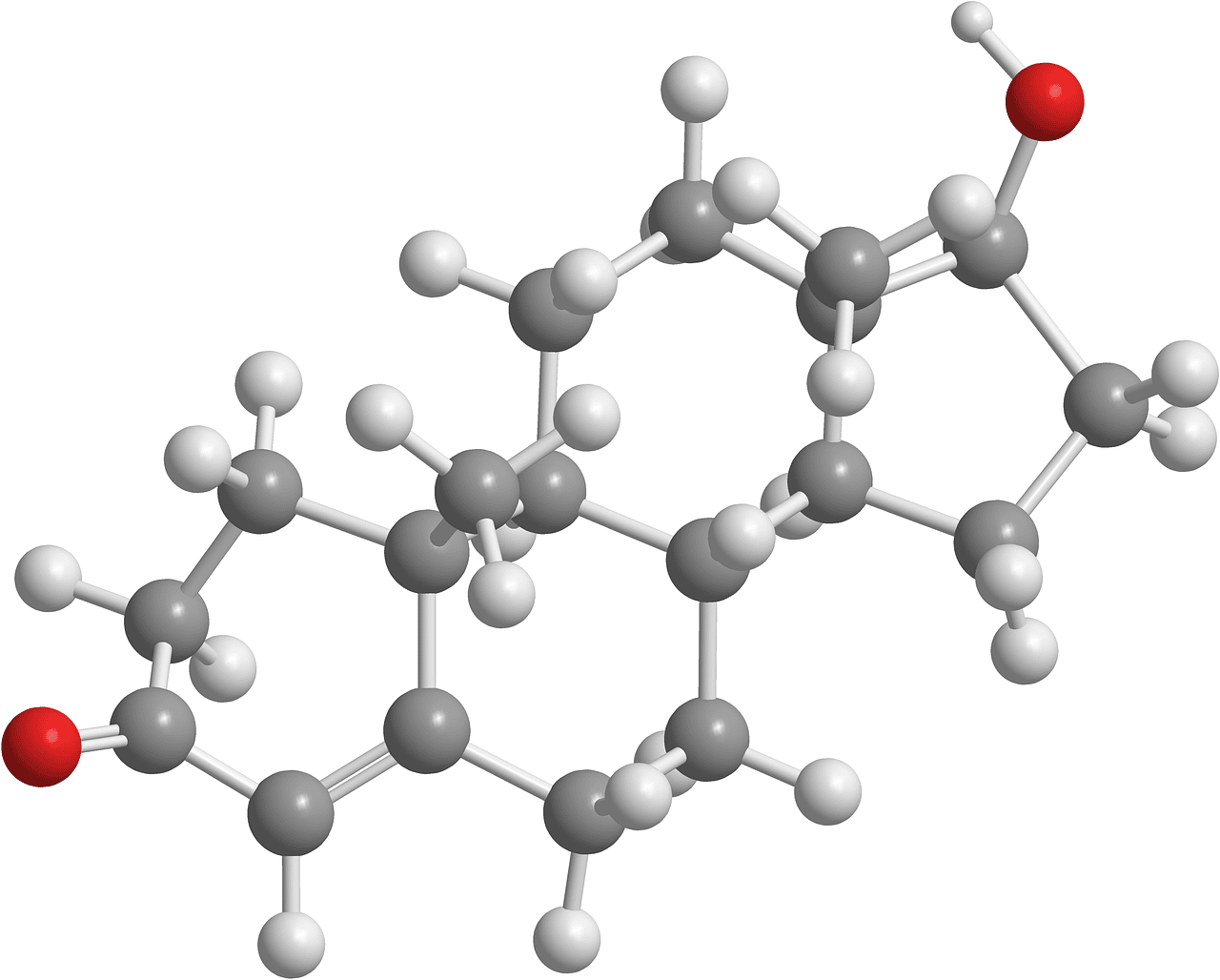
    We all know what testosterone is.  It’s what makes our boy babies our boy babies.  It’s what makes men manly.  It’s a hormone naturally produced in our bodies and it fuels our sex drive, our body build and muscle strength, and our sperm count.  It’s what keeps us young looking, virile, and handsome even though the birthday candles are becoming too numerous to extinguish with one breath.

    Testosterone is considered the male sex hormone while estrogen is its feminine counterpart.  Men’s bodies produce testosterone in the testes but women’s ovaries produce a little testosterone, too, just as men produce a bit of estrogen.

    As men age, levels of testosterone fluctuate, beginning even before birth.  The first surge in a boy child’s testosterone level comes between weeks 7 and 12, during pregnancy, when development of internal and external genitalia begins.

    Testosterone levels rise again during the first few weeks of a boy baby’s life.  The level of the hormone can climb to match that of a pubescent boy before dropping back to infancy level after the child reaches the age of 4 to 6 months.

    The spike in testosterone level in early infancy produces no visible effect on the boy but many scientists speculate that it is during this phase of growth that the boy’s brain becomes masculinized, or “hard-wired” to be male.

    Testosterone levels spike again during puberty, when visible changes do take effect, and hormone levels reach their highest in the last stages of adolescence, when a boy’s body transforms into that of a young man.

    A decline in a man’s level of testosterone begins around the age of 40, perhaps generating the puzzling behavior often described as “middle-age crazy.”  In addition to doing wild and uncharacteristic things, a man may begin to consider the merits of testosterone replacement therapy at around this time in life, too.

    Repeated studies have shown, however, that supplemental testosterone in otherwise healthy but aging men does nothing more than increase the level of the hormone in the bloodstream.  It doesn’t return youth, vitality, vigor, nor does it ensure longevity and virility into old age.  And it comes with some adverse side effects that increase the risk of sleep apnea and heart disease.

    Perhaps a more reliable way to stay young, active, and feeling like you want to live forever is to forget the testosterone supplements and learn to enjoy an active lifestyle that includes a healthy diet and about a half hour of pleasant exercise every day.

    {literal}

    {/literal}
  • Physical Exam

    Reverse and Eliminate Ovarian Cysts

    It’s not always easy trying to find time to work a doctor’s appointment into a hectic schedule but it’s very important to schedule and keep an annual appointment for a physical exam, especially for woman over the age of 40.

    Life changes for women just after the age of 40.  Lots of things change.  It’s because of all this change that the medical establishment urges every woman to undergo a thorough physical exam to celebrate her 40th birthday.  This particular exam may be the most important one she’ll ever have, since it’s used as a “baseline” medical profile.  Later test results will be compared against this particular physical exam to determine what is changing and to what extent.

    Shrink your Fibroids Naturally

    Breast examinations are a vital part of a woman’s traditional physical exam and are most effective when the patient performs self-exams each month between annual physicals.  Another part of a physical exam that is becoming more common is the mammography, which is an x-ray of breast tissue to help locate tiny tumors before they become cancerous.

    There’s a recently published article in the Journal of the American Medical Association, or JAMA, as it’s also known, that suggests women with dense breasts may fare better at physical exam time each year if they will supplement their mammogram with an ultrasound image as well.

    In a physical exam and in mammography, dense breast tissue can hide tumors.  Not detecting them as early as possible increases the risk of a harsh battle against cancer at a later date.

    In their report, researchers also suggest women with exceptionally dense breasts supplement an annual mammography with an MRI scan, for the most thorough screening available.  MRIs are expensive and health insurance companies may not cover them for this purpose.  Still, women who have extremely dense breasts, personal or family histories of breast cancer, or suspicious mammogram readings in the past may consider the additional expense, about $1,000, well worth the price for a year’s peace of mind.

    {literal}

    {/literal}
  • Diet to Lower Cholesterol

    There are no real tricks to devising a diet to lower cholesterol, blood pressure, and weight.  In fact, it seems so easy many people are convinced it just won’t work.  Not for them, anyway.

    What’s the trick?  If you want a diet to lower cholesterol, reduce blood pressure, and stabilize your weight at a healthy level, you’ll need to eat a diet high in nutrient-dense, natural foods.

    You’ll need to avoid fast foods and pre-prepped and processed foods like the plague.  After all, the industrialized nations of the world are said to be plagued with an obesity epidemic although the general public doesn’t seem to take issues of excess weight with the same degree of seriousness as the plague.

    The third step to the trick of a diet to lower cholesterol and improve vital signs throughout the body is to get a moderate, but regular, amount of physical activity every day.  It’s hard to convince some people that regular exercise is truly a part of a healthy diet but every diet book written thus far includes serious discussion of the value of regular exercise.

    What are those nutrient-dense, natural foods?  Fruits and veggies eaten as close to raw as possible.  Think salads, sautés, stir-fry, and steamed.  Nuts and seeds are fruits, too, so don’t leave these nutritional powerhouses out.  All fruits and vegetables begin to lose nutrient value when exposed to heat.  In other words, over-cooking leads to less nutritious fruits and vegetables.  The more gently cooked, or raw, the fruits and veggies, the more nutrients are consumed.

    Many of the ingredients required to make mass-produced food products from factories are not available to the home cook.  Many of them didn’t even exist twenty years ago.  Our bodies rely on a digestive system that was perfected many, many generations ago.  We simply do not have the ability to digest many of these ingredients so they sometimes accumulate in our bodies in quantities that become toxic.

    A diet of fast foods, refined, processed, pre-made, ready-to-eat, single serving, grab-and-go food choices doesn’t provide the necessary nutrients to fuel the body so we stay hungry.  Hunger is our body’s way of saying I need some fuel now.  A diet to lower cholesterol and feed healthier living in general will contain a minimum, if any, of this type food products.

    The sweaty part of a diet to lower cholesterol involves no less than 30 minutes of moderate exercise three days a week.  Thirty minutes can be done all in one session or broken down into several smaller exercise sessions throughout the day.  Moderate exercise means you can maintain a conversation with an exercise partner.

    Even though this is a diet to lower cholesterol, following it faithfully will relieve symptoms of almost every chronic disease known to modern man.  It’s a diet the entire family can follow so meal planning and preparation don’t have to be grueling affairs.

    This diet to lower cholesterol does work.  And it will work for everybody.

    {literal}

    {/literal}
  • Osteoporosis and Bone Health

    Want to be a few inches taller?
    This guide can add inches in just 6 weeks!

    Ellen Evans, associate professor of kinesiology and community health at the University of Illinois, published the findings of a study that suggests a diet based on lean meats and low-fat dairy products is much more effective in staving off the onset of osteoporosis than the diet recommended by the US Department of Agriculture’s (USDA’s) recently updated food pyramid.  Osteoporosis is a painful and crippling degenerative disease of the skeletal system that strikes elderly women with more vigor than other segments of the population.

    The University of Illinois study recruited 130 participants, all middle aged and overweight, to take part in the 12-month study.  Half the study group was assigned, by random, the diet of lean meats and low-fat dairy products while the other members of the group ate according to the guidelines in the USDA food pyramid.  Active weight loss was the focus during the first four months of study, with the remaining eight months of study allocated for weight maintenance.

    Since osteoporosis is diagnosed by the loss of mineral content and density in the bones, each of the study participants was tested for mineral density and content at the outset of the trial and at four-month intervals throughout.  The disease is also associated with fractures of the hip and spine so each study participant was scanned from head to foot at the beginning of the study and at four-month intervals also.

    During the course of the study, the group eating according to the food pyramid experienced a decline in healthy bone tissue, which threatens osteoporosis, while the group eating the lean-protein diet enjoyed stable bone density and mineral content through the full course of the study.  The research team suggests the lean-protein-based diet was naturally high in calcium and protein and many foods in it are fortified with vitamin D, all nutrients required for optimum bone health.

    In times past, a diet high in protein was thought to be harmful to bone health because this type diet often produces a higher than normal level of calcium in the urine.  This process of leaching out minerals from the bone is called demineralization.

    The University of Illinois research team disproved this belief, using radiolabeling to determine that the excess calcium in the urine doesn’t come from the bones at all.  Instead it comes from food intake.  The lean meats diet boosts the body’s digestive system to absorb and process calcium more effectively than the food pyramid diet does, providing yet another reason why the high-protein, low-fat diet is much better in protecting against the onset of osteoporosis than the diet described in the food pyramid.

    {literal}

    {/literal}
  • Germs and Viruses

    Most kids today, even the littler ones, know that germs and viruses are nasty things.  Things they’re constantly being told to wash off their hands.  And use soap.

    But, to many children, germs and viruses aren’t much more than something that needs to be washed away.  Except to say that they’re dirty and that they’ll make you sick, most kids don’t really know what it is that’s so bad about germs and viruses in the first place.

    And most kids have a very hard time understanding that some germs and viruses can be just as good to you as the bad ones can be bad.  It gets very confusing but we can rely on our pediatricians to worry about the differences.

    Germs and viruses are so small you can’t even see them so it can be a little hard to wrap a young mind around the concept that something so small can make someone so very sick, in a very big way.  It’s a point easier for a parent to illustrate when a child is already sick due to exposure to germs and viruses than to try to describe when the child is well and robust.

    And the idea of germs and viruses and washing one’s hands seems a little mysterious to many young children, too.  They know they need to wash their hands when they are sticky, dirty, or otherwise visibly sullied.  They can wash until they see the dirt go away and know they have clean hands.  It’s a little bit trickier trying to get them to understand that, even though they’re too small to see, germs and viruses need to be washed away, too, just like the visible dirt.

    To make them even more tricky, germs and viruses have many names.  One fancy name for germs is bacteria.  One even fancier name for bacteria is Escherichia coli 0157:H7 but there are thousands of other names for bacteria, too.

    Other names for germs and viruses are microbes, parasites, mold, yeast, fungi, and protozoa.  And then there’s the worms.  Worms that start out as babies too small to see when they enter the body but they quickly grow.  Some of them grow a lot.  Tapeworms can grow to be as long as 25 feet.

    One problem kids need to understand about germs and viruses is that, because they are so small, too small to even see, we must all be very careful about passing our germs and viruses on to our friends and family.  Never sneeze or cough when you are facing someone else’s face or hands and wash your own hands before eating and after going to the bathroom.  Every time.

    {literal}

    {/literal}
  • Medical Health

    Worried about an apposite, total medical health insurance coverage? The Internet is the right place to search for details and useful information about any medical health insurance package. Before deriving information about the insurance, you have to know what it is.
    Medical Health Insurance – What It Entails?

    The medical insurance provides coverage for expenses one incurs for, say, hospitalization, outpatient procedures, doctor’s visit and medical tests, etc. There are also coverages for dental care, vision care and prescription drugs. Before the insurance company starts covering expenses, you have to pay a deductible and co-insurance.

    Every one wants to enjoy the best rates on medical health insurance. The Internet is the place where you can find out the best rates. Once you have completed the formalities, the websites will furnish you with detailed information.

    The first formality begins with a form, which you have to fill in. This incorporates – the number of people the policy covers, whether you use tobacco and other similar detail data about your/your family’s health conditions. After you fill in the form, you get quotes from multiple renowned companies. Thereafter, you can make your choice.

    Remember, that the cheapest rate can be sometimes very disappointing. Understand a policy before you jump for it. If necessary, seek the advice of a medical professional.

    Medical Health Insurance – The Details
    A medical insurance is highly in demand, in times of crisis. An emergency may crop up at any unexpected time and you may be in need of financial support. The insurance coverage depends on a lot of factors, like the size of the family, the terms and conditions and the premium, etc.

    An insurance-holder has to pay premiums, which may vary for the insurances. Once the tenure of the insurance expires, the person gets back the invested money along with the returns. In times of emergency, however, the insured-person can get the money back before the tenure expires.

    In the United States, you can enjoy different types of health insurances, which include short term medical, Medicaid, publicly funded health insurance, private health insurance and Medicare. However, most of the policy programs provide coverage for extreme cases of illness.

    Therefore, a health insurance is indispensable and you should be well aware of the details of the policy, before you opt for one. Seek advice of your financial advisor or browse for authentic information on the Net before choosing any particular medical health insurance plan.

  • Medical Marijuana

    Medical marijuana is still a highly controversial topic in many countries worldwide and also in every state in the United States. Since 1996 twelve states have legalized medical marijuana after many studies have been done to show the benefits that medicinal marijuana offers to patients that are going through chemotherapy, glaucoma patients, as well as chronic pain and it is also beneficial in appetite stimulation. There are many other states that are considering the legalization of medical marijuana after more and more studies are done that are uncovering more and more evidence of the benefits of medical cannabis, New Mexico has just legalized the medicinal use of marijuana and they are the twelfth state to have done this, and Minnesota is in the process of legalizing it as well. A recent study by a reputable science magazine shows the effects marijuana has on shrinking tumors and helping battle tumors before they start to grow.
    There are many other reputable medical organizations that are doing private studies of the usage of medical marijuana and as more and more of these are released many state governments are starting to see the benefits. Before too long medical marijuana will most likely be legalized and recognized by the federal government as a legitimate and safe treatment for terminally ill patients. There are many other private organizations and lobbyists as well as many politicians that understand and clearly see the benefits and they are putting pressure on the government as well. There are many other benefits of marijuana than just medicinal usage and it is a renewable resource that can have great and long lasting impacts on our country. There are also many shops that cater to people with illnesses that need medicinal cannabis and many of these are in the states that have legalized its medicinal usage.